
Building and Pest Inspections for Apartments: What’s Different?
Thinking about an apartment inspection? It’s a bit more complex than checking out a standalone house. You’re not just looking at your own four walls—you’re also dealing with shared spaces, common systems, and the rules set by your building’s management. Here’s what you need to know.
What Makes Apartment Inspections Unique?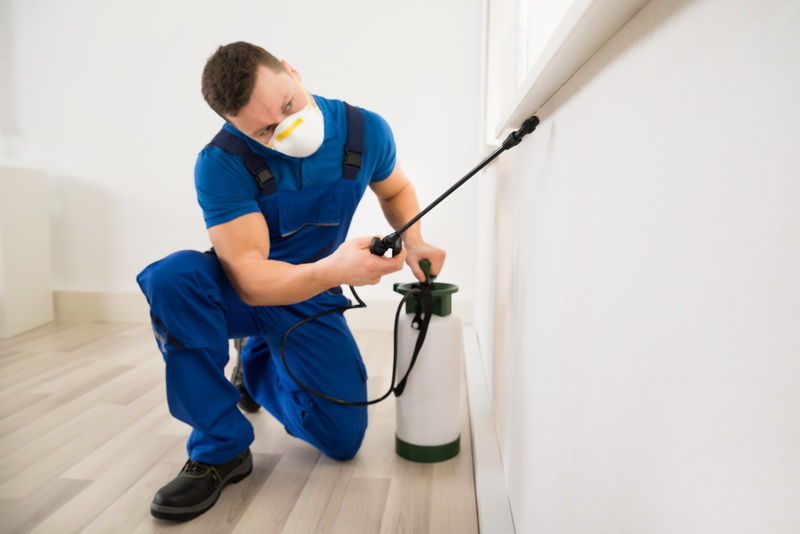
When you book an inspection for an apartment (whether you own or rent), you’re not just looking for leaky taps or peeling paint. You also have to keep an eye on:
– Shared walls and ceilings: How well are they insulated? Are there signs of moisture or pests sneaking through from next door?
– Common areas: Think hallways, elevators, stairwells—places that everyone in the building uses.
– Building envelope: That means the outer shell of the building—are there leaks, cracks, or pest entry points?
– Fire and sound separation: Are the walls and floors built to keep out noise and, more importantly, fire?
All of these factors impact not just your comfort, but also who’s responsible for fixing problems and how quickly they can get sorted. If you want more details or need professional help with an inspection, click here.
What’s the Scope of an Apartment Inspection?
Unlike a house, an apartment inspection has a double focus:
- Inside Your Unit:
– Walls, floors, ceilings
– Windows and doors (are they sealed properly?)
– Plumbing, electrical, and HVAC systems
– Kitchen and bathrooms (leaks, mold, ventilation)
– Balconies or patios
- Shared Spaces and Systems:
– Hallways, lobbies, elevators
– Roof lines and balconies above/below
– Shared drains and pipes
– Fire escapes and building entry points
You’ll also want to check for:
– Signs of previous repairs or cover-ups
– How well the building is insulated
– Any common issues like poor drainage on balconies
Shared Walls & Common Areas: Why They Matter
Shared walls aren’t just a privacy issue—they’re a hotspot for hidden problems. Here’s what to watch for:
– Fire separation: Are the walls up to code?
– Noise complaints: Thin or poorly built walls can mean you hear everything your neighbor does.
– Moisture: Water leaks don’t respect boundaries—they can travel between units.
– Pest highways: Mice and bugs can move between units through even tiny gaps.
In common areas, inspectors check:
– Lighting and ventilation
– Cleanliness and housekeeping
– Any weird renovations or quick fixes that could cause problems later
Getting Access: Navigating Strata or Condo Rules
You can’t just waltz in and start poking around. Before the inspection:
– Check the rules: Read your building’s by-laws and see what’s needed for access.
– Book ahead: You’ll likely need to coordinate with building management and give residents advance notice.
– Respect quiet hours: Don’t schedule noisy inspections during evenings or weekends.
– Be clear: Let everyone know what you’ll be inspecting and how long you’ll be there.
A little planning keeps everyone happy and avoids awkward run-ins with security or neighbors.
Apartment Pest Risks: What’s Different?
Pests love apartment buildings because they can move easily from one unit to the next. Some common issues:
– Rodents: They find their way in through gaps around pipes, vents, or poorly sealed doors.
– Bugs: Cockroaches, ants, and even bedbugs can spread quickly between units.
– Moisture: Leaky pipes or poorly vented bathrooms create perfect pest hangouts.
Tips:
– Look for droppings, gnaw marks, or musty smells in corners and shared spaces.
– Seal up any obvious entry points.
– Keep things clean and dry to make life harder for pests.
What Do Inspectors Actually Check?
Here’s a quick rundown of what a building and pest inspector checks in an apartment:
Inside Each Unit
– Structural integrity (cracks, water stains, signs of movement)
– Electrical safety (panels, outlets, wiring)
– Plumbing (leaks, water pressure, drainage)
– Heating and cooling systems
– Windows and doors (seals, locks, drafts)
– Kitchens and bathrooms (fixtures, cabinets, ventilation)
– Balconies or patios (railings, surface wear, drainage)
– Pest entry points (screens, gaps, under sinks)
Common Areas
– Hallways, elevators, lobbies
– Fire exits and stairwells
– Shared utility rooms
– Roof and exterior walls
Don’t forget: Inspectors document everything with photos and clear recommendations.
How Inspections are Scheduled
If you’ve ever lived in an apartment, you know how tough it is to get everyone on the same page. Inspections are no different.
– Centralized calendar: Management or strata usually schedules a time for each unit.
– Advance notice: Residents get notified at least 48 hours ahead.
– Timing matters: Avoid high-traffic times for elevators and hallways.
– Contingency plans: If someone isn’t home, you need a backup plan for access.
Good communication keeps things smooth and avoids angry neighbors!
What Happens When Issues are Found?
If the inspector finds something, here’s how it usually goes:
- Document everything: Clear notes and photos.
- Prioritize: Fix urgent hazards first (like water leaks or fire safety issues).
- Assign responsibility: Figure out if the problem is in your unit or a shared area. Sometimes it’s the owner’s job, sometimes it’s the building’s.
- Get quotes: For any repairs, get written estimates.
- Follow up: After repairs, schedule a re-inspection to make sure it’s fixed.
- Keep records: Save everything in case of future disputes.
Using Inspection Results to Protect Yourself
Don’t just file the report away—use it!
– Make a plan: Prioritize repairs by urgency and impact.
– Negotiate: Use the findings to ask for fixes from the seller or landlord.
– Budget: Set aside a fund for repairs (and surprises).
– Insurance: Check with your provider about what’s covered, especially for water or pest damage.
– Stay proactive: Routine checks and maintenance keep little problems from becoming big headaches.
Final Thoughts
Apartment inspections have a few extra layers compared to houses, but with a little planning and clear communication, you’ll catch problems early—and keep your investment safe. If you ever feel unsure, don’t hesitate to ask your inspector to explain their findings in plain English. Peace of mind is worth it!
