
The Role of Logistics Warehouse in Faster Delivery and Customer Satisfaction
In today’s fast-paced and highly competitive market, the role of a logistics warehouse extends far beyond simple storage. It plays a pivotal role in ensuring faster delivery and enhancing customer satisfaction, which are two of the most critical factors influencing consumer loyalty and brand reputation. A logistics warehouse acts as a central hub in the supply chain where goods are not only stored but also sorted, packed, and dispatched with precision and efficiency. By strategically positioning these warehouses near key markets or transport hubs, companies can drastically reduce the time it takes for products to reach their final destinations. This proximity to customers enables faster order processing and quicker transit times, contributing directly to meeting and often exceeding delivery expectations. The importance of a well-organized logistics warehouse lies in its ability to streamline operations and minimize delays. Advanced warehouse management systems WMS ensure real-time inventory tracking, efficient order picking, and automated restocking, reducing errors and improving order accuracy. These technologies empower businesses to process large volumes of orders rapidly while maintaining a high standard of accuracy.
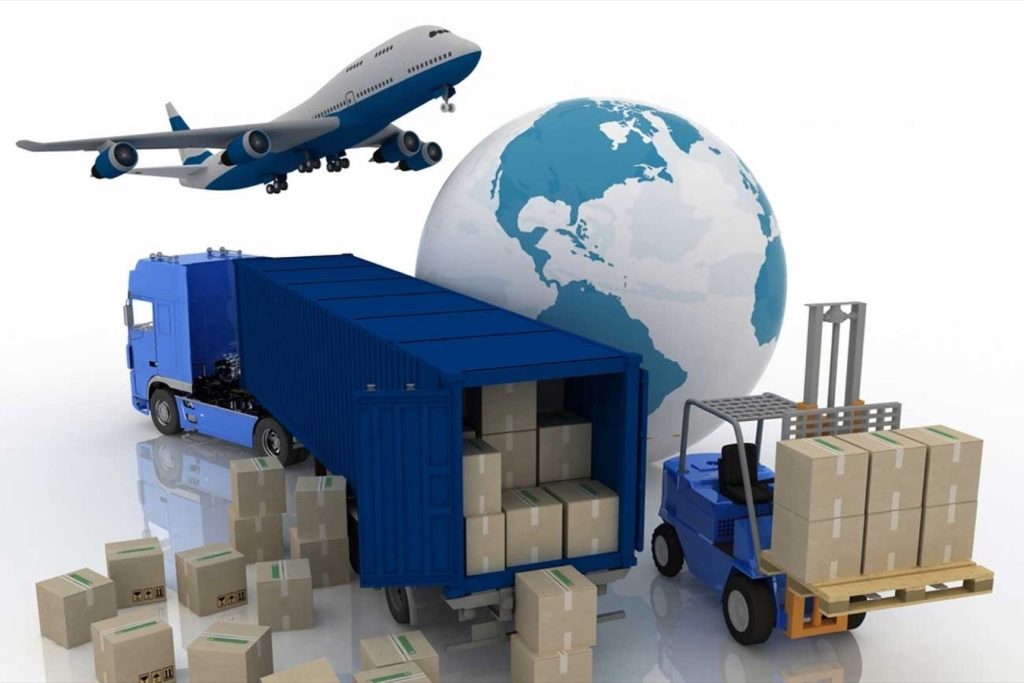
This operational efficiency translates into shorter lead times and more reliable delivery schedules, both of which are key drivers of customer satisfaction. When customers receive their products on time and in perfect condition, it reinforces trust in the brand and encourages repeat purchases. Moreover, almacen logistico provide flexibility and scalability for businesses, especially during peak seasons or unexpected surges in demand. By optimizing warehouse layouts and implementing just-in-time inventory practices, companies can adapt quickly to fluctuating demands without compromising delivery timelines. This agility allows businesses to maintain a consistent level of service, even when external factors pose challenges. For example, during holiday seasons or promotional sales, a well-prepared logistics warehouse can absorb the pressure of increased orders and ensure that products are dispatched promptly and efficiently. Another key advantage of logistics warehouses in achieving customer satisfaction is their role in reverse logistics. Efficiently managing returns, exchanges, and refunds is an essential component of a positive customer experience. A logistics warehouse that handles reverse logistics effectively ensures that returned items are processed quickly and refunds or replacements are issued without delay.
This seamless handling of returns strengthens customer confidence and contributes to overall brand loyalty. Furthermore, a well-functioning logistics warehouse can support same-day or next-day delivery services, which have become increasingly popular in the e-commerce landscape. Businesses that leverage warehouse networks to support these rapid delivery models can differentiate themselves in the market. Speedy delivery is not just a convenience but an expectation for many customers, especially in urban areas. Meeting these expectations consistently gives companies a competitive edge and fosters customer satisfaction and retention. The logistics warehouse is a vital component of modern supply chains, directly influencing delivery speed and the quality of customer experiences. Through optimized operations, strategic location, technological integration, and adaptability, logistics warehouses enable businesses to meet growing customer demands efficiently. As consumer expectations for quick and reliable service continue to rise, the importance of a high-performing logistics warehouse in achieving faster delivery and enhanced customer satisfaction cannot be overstated.
