
The Real Impact of the 2025 Los Angeles Wildfire: Homes, Air Quality & Daily Life
The 2025 Los Angeles wildfire wasn’t just a headline — it changed how we live, breathe, and recover in LA. But what really happened to our homes, air, and daily routines? Let’s break it down, get real about the hidden impacts, and figure out what comes next for our neighborhoods.
Burned Homes: What Happened & What To Watch For
More Damage Than Meets the Eye
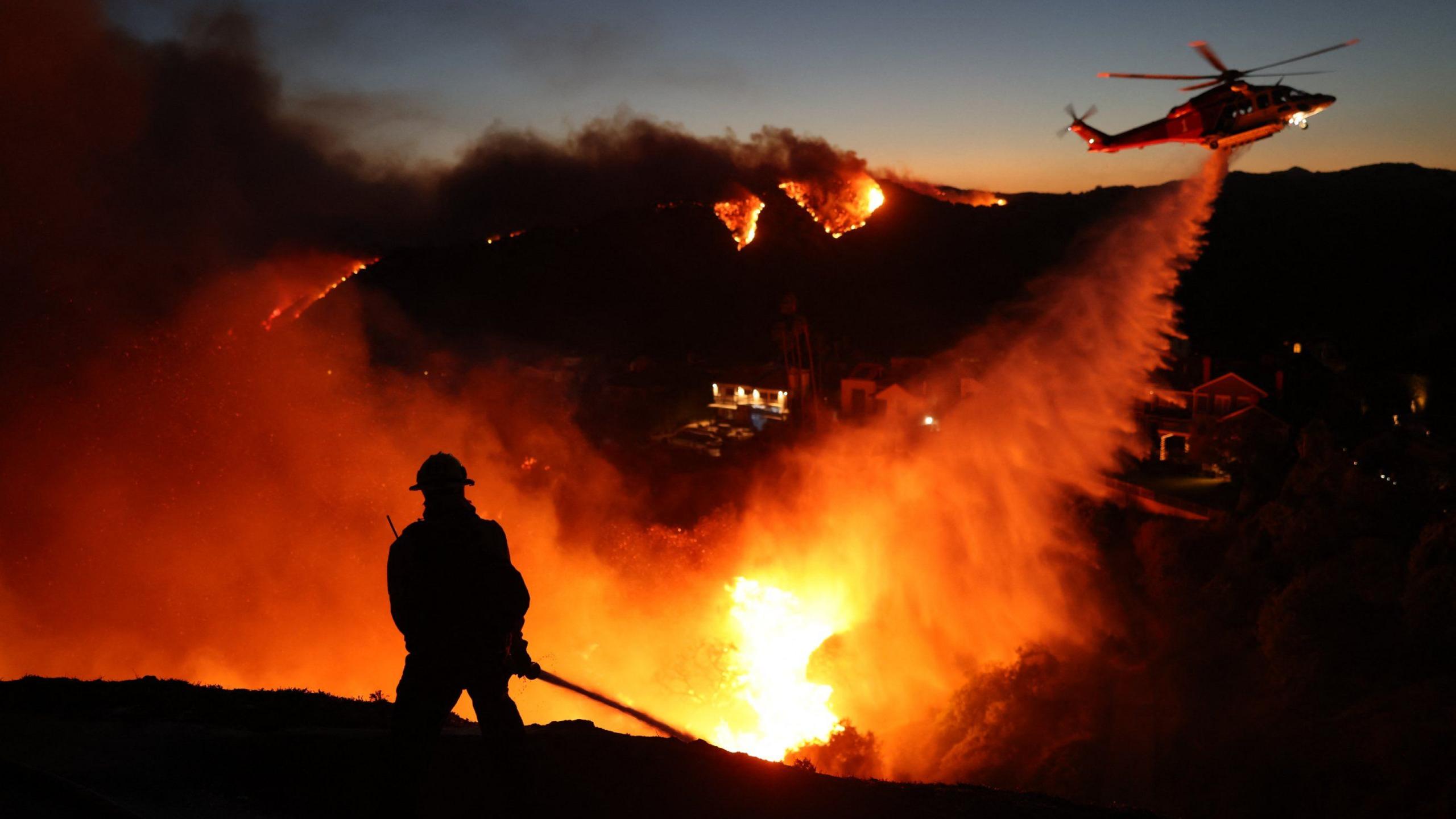
You might’ve seen the charred houses and blackened hills on the news, but the real story is deeper than the burn marks.
– Hidden trouble: Foundations can shift, walls hide mold, and repairs drag on for months.
– Insurance headaches: Claims go up when people document not just burned exteriors but smoke-damaged interiors, warped frames, and water damage from firefighting. For additional wildfire cleanup and recovery information, be sure to consult reputable resources that address these hidden risks.
What Should Homeowners Do?
– Photograph everything — inside and out, ASAP.
– Get professional assessments for structure, air quality, and unseen damage.
– Track your claim: Note every call, visit, and estimate. The more organized you are, the less likely you’ll get short-changed.
Breathing Bad Air: Health Impacts & How To Stay Safe
How Did the Smoke Affect Us?
When wildfires rage, the air gets thick with tiny particles (like PM2.5) and ozone. Not great for anyone—and especially rough on kids, seniors, and folks with health issues.
Common symptoms:
– Coughing, wheezing, and shortness of breath
– Eye irritation
– Headaches and fatigue
How Can You Protect Yourself?
– Check air quality apps every morning.
– Stay inside with windows closed when it’s smoky.
– Use N95 masks if you have to go out.
– Run air purifiers with HEPA or MERV-13 filters.
– Call your doctor if you have serious symptoms — don’t wait it out.
Insurance, Repairs & Rebuilding: The Roadblocks
Why Is Recovery So Slow?
– Insurance paperwork takes forever (and coverage isn’t always clear).
– Contractor shortages mean long waits and higher prices.
– Many people spend months in hotels, rentals, or with family.
How To Make It Smoother
– Read your policy carefully and ask questions.
– Compare repair bids and check contractor licenses.
– Document every penny you spend along the way.
Safer, Smarter Homes: Upgrades for Wildfire Resilience
Wildfires and power outages go hand-in-hand. So, how can you prep your home for next time?
Energy-Efficient Upgrades That Matter
– Insulation & air sealing: Keeps smoke (and heat) out.
– Ember-resistant roofs and vents: Blocks fire from sneaking in.
– Battery backups: Keeps your air purifiers and fridge running during outages.
Clean Air Strategies
– High-efficiency filters (MERV-13+): Swap them out during fire season.
– Portable air purifiers: Focus on bedrooms and main living areas.
– Seal window/door gaps, but keep some ventilation for non-emergencies.
School, Work & Commute: Adapting To Disruption
Wildfire season means schedule chaos. Here’s what changed:
– Schools: Switched to remote learning, leaving some kids behind due to tech gaps.
– Offices: Closed or shifted to work-from-home, but not everyone could keep up.
– Transit: Buses and trains rerouted, commutes got longer, and air quality made it worse.
How did people cope?
– Flexible hours and deadlines
– More family time, but also more stress
– Community check-ins and support groups online
Economic Ripples & Community Response
Wildfires don’t just burn land—they disrupt wallets and local economies.
What hit hardest?
– Homeowners: Juggling insurance, repairs, and new loans
– Renters: Higher rents, deposits, and moving costs
– Small businesses: Lost revenue, supply delays, and layoffs
– Local governments: Emergency spending, slower tax collections
How Did Communities Step Up?
– Volunteer groups delivered food, water, and supplies.
– Local leaders organized relief funds and pop-up shelters.
– Neighbors helped each other with cleanup and rides.
Who Suffers Most? Gaps in Exposure & Recovery
Not everyone felt the wildfire’s effects the same way.
– Black and Latino neighborhoods: Higher pollution, slower ambulance response, and longer waits for help.
– Lower-income areas: Delayed insurance, fewer contractors, and more displacement.
– Gentrifying areas: Rising rents and lost affordable housing after reconstruction.
Bottom line: Recovery isn’t just about money—it’s about fairness and access.
Building Resilience: What Should We Do Next?
If we want a more resilient LA, here’s what needs to happen:
– Focus aid on high-risk neighborhoods first.
– Speed up housing and shelter options after disasters.
– Invest in clean air and cooling centers where they’re needed most.
– Use satellite mapping and real-time dashboards to target resources.
– Hold officials and insurers accountable with clear, transparent reporting.
Final Thoughts
The 2025 LA wildfire taught us that recovery is more than rebuilding—it’s about transparency, equity, and planning for the next challenge. Let’s use what we’ve learned to build a safer, fairer, and more resilient city for everyone.
