
Emergency Plumbers: What To Do When You Have a Burst Pipe or Leak
Uh-oh, got a burst pipe or water leak? Don’t panic—just follow these steps to keep your cool, protect your stuff, and get help fast!
- Safety First: Shut Off Water & Power
When water’s gushing or leaking, here’s what you do:
– Turn off the water supply:
– Find your main shutoff valve (usually in the basement, garage, or outside).
– Turn it clockwise until it stops.
– Cut the electricity (if safe):
– Only do this if you can reach the breaker without stepping in water!
– Never touch wires or outlets that are wet.
– Spot danger:
– Smell gas? See sparks? Everyone out—call 911!
Pro tip: Keep kids and pets far away from the mess. And when it’s time for expert help, reach out to trusted residential plumbers serving Frankston homes to handle repairs safely and efficiently.
- Find the Leak or Burst Pipe
Let’s play plumbing detective:
– Look for:
– Wet spots on ceilings, walls, or floors
– Bubbling paint or weird stains
– Hissing, dripping, or rushing water sounds
– Common hiding spots:
– Under sinks, behind appliances, in basements, laundry rooms, or crawl spaces
– Mark the trouble spot with tape or a sticky note so you don’t forget.
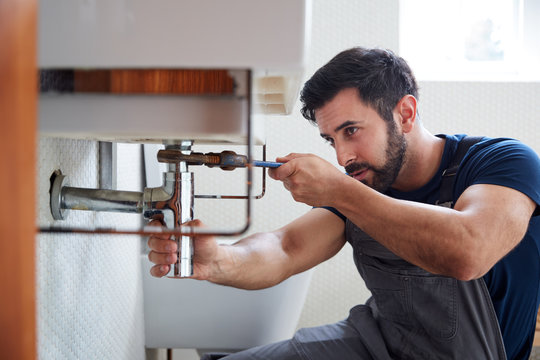
Note: If you spot sagging ceilings or sketchy electrical stuff, stay away and wait for the pros.
- Stop the Water in Its Tracks
Time to contain the chaos:
– Shut off the main valve (see above).
– Can’t? Try a local shutoff near the leak (under sinks or behind toilets).
– Open faucets to drain the pipes.
– Mop up puddles with towels, buckets, or a shop vac.
– Move valuables and electronics out of harm’s way.
For extra credit:
Seal the crack with duct tape or a rubber patch until help arrives (don’t force anything, though).
- Contain and Clean Up (Safely!)
You want to prevent more damage, right? Try this:
– Wear rubber boots and gloves.
– Use towels, mops, or a wet/dry vacuum for cleanup.
– Set buckets under steady drips.
– Build a “water wall” with towels or plastic if needed.
– Open windows or use fans to air things out (but don’t blow water into other rooms).
– Keep electronics far from wet spots.
- Document Everything for Insurance
Don’t forget—insurance companies love details!
– Snap clear photos of all the damage (rooms, pipes, your soaked stuff).
– Make notes: when it happened, what got wet, what you did.
– Create a quick list:
– Item name
– Value
– Can it be fixed?
Pro tip: Store your photos and info in a digital folder, just in case.
- Quick Fixes While Waiting for the Plumber
You don’t need to be a pro to slow the leak:
– Patch with duct tape or a rubber clamp if you can.
– Use buckets and towels to catch drips and protect floors.
– Don’t try permanent repairs—just stop the bleeding!
If you spot exposed wires, soaked insulation, or anything risky, step away and call in the experts.
- When to Call an Emergency Plumber
Wondering if it’s time to call? Here’s when you should:
– Water’s gushing and you can’t stop it
– No access to shutoff valves
– Water pressure drops suddenly or water quality changes
– Flooding near electrical stuff
– Mold, warm spots, or unexplained noises (hissing, banging)
– Pipes freeze or burst
When in doubt, it’s better to be safe (and dry) than sorry!
- What To Expect From Emergency Services
Here’s what happens next:
– Fast response: They’ll confirm your info and give you an ETA.
– On arrival:
– Assess the damage
– Start containment and temporary repairs
– Offer advice on next steps
– Aftercare:
– Checklist for drying and cleaning
– Recommendations for repairs and upgrades
– Written plan with costs and follow-ups
- Preventing Future Pipe Bursts: Easy Tips
Don’t want a repeat? Try these:
– Inspect pipes for corrosion, leaks, or missing insulation
– Make sure you can find and operate all shutoff valves
– Replace old fittings before they fail
– Use steady, moderate water pressure
– Keep a maintenance log and schedule regular checks
– Match materials when upgrading pipes and fittings
- Drying Out & Preventative Checks
After the chaos, get your home back to normal:
– Dry everything: Use towels, fans, and dehumidifiers
– Check for hidden moisture: Behind walls, under floors, in insulation
– Monitor humidity: Keep it around 30–50%
– Replace anything you can’t dry
– Install leak detectors near water heaters, sinks, and appliances
– Insulate exposed pipes to prevent freezing
Stay proactive: Regular checks = less stress (and fewer soggy surprises).
Final Thoughts
Burst pipes are a pain, but you can handle them!
– Act fast
– Put safety first
– Document everything
– Get professional help ASAP
– Take steps to prevent future leaks
You’ve got this—and when in doubt, don’t hesitate to call a pro!
